Showing posts with label Salopian Brewery. Show all posts

Thursday, April 17, 2025

The Black IPA Gold Rush - Part 2

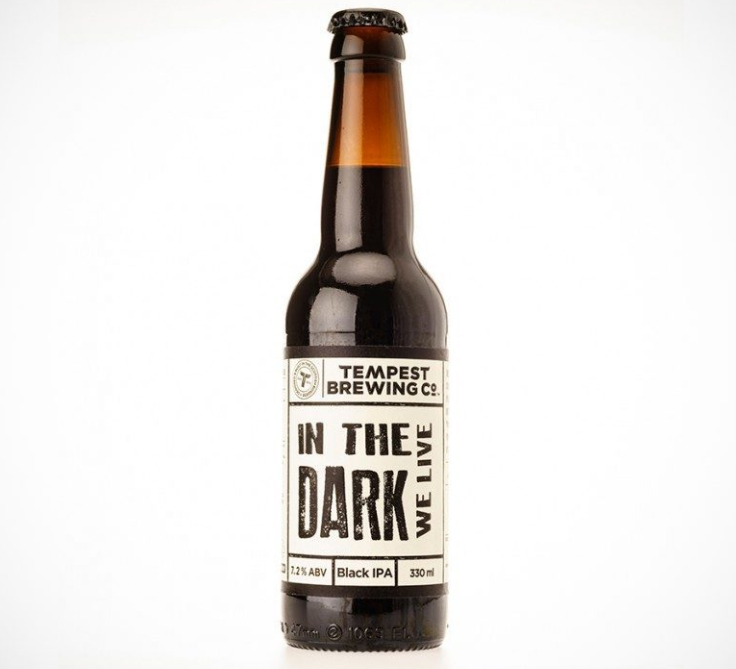
The year 2013 proved a bountiful harvest of success for Black IPAs, early that year Bowness flocked in with Swan Black (4.6%) which the brewery noted as a deliciously Black IPA that has a start-to-finish hoppy magnificence; rich chocolate sweetness along with subtle citrus and grassy notes. This beer subsequently joined their core range where it continues to be sold in both cask and bottle. In February, Saltaire Brewery released Kala (6.2%), described as having smooth roasted character and a big American hop presence, it was showcased at the Bradford Beer Festival that month; initially available in cask and bottle on a limited basis, its ensuing popularity led it to being added to the brewery’s core range and go onto win a number of awards.[1] Meanwhile, Great Heck Brewing debuted Black Jesus (6.5%), a potent mix brewed with large quantities of premium American hops and special dehusked German roasted malt. Villabone noted it as “burnt, hoppy, fruity, it’s all there. The taste, or aftertaste is of burnt or roasted coffee, but leaving a slight metal taste. It starts light and fresh, piney, fruity, then the second journey is the dark, roasted malts, coffee part. The carbonation is slight. The aftertaste is dry, and it stays.”[2] It became of one of their best-selling products, winning a multitude of awards including World’s Best Label at World Beer Awards 2014 and Huddesfield CAMRA Oktoberfest 2016: Silver (Strong Bitter of the Festival). Meanwhile, the Hop Studio produced Obsidian (5%), brewed with an abundance of Galaxy, Chinook, Centennial and Columbus hops, at a beer tasting event held at St. Lukes Church, Leeds that May, judges sampled both Scottish and Yorkshire beers. Hop Studio’s new Obsidian Black IPA beat Fyne Ales’ Vital Spark 69-20 votes. In July, Elland released Black Eden (4.2%), an alternative version of their pale ale Eden (4.2%), using the same hops (Cascade & Chinook) but with added Wyerman’s black malt to the brew. The following month, Real Ale Craft Beer collaborated with Sharp’s to produce Black Rock IPA (4.2%), a limited-edition release, it was initially brewed as a pale ale before dark malt was added later in the mashing process. Head brewer Simon Howe described it at the time, “this new brew, a blackened IPA, has a strident citrus and pithy bitterness in the finish, it’s dry and moreish. Black Rock IPA is full and hoppy with an alluring look. It has an intense citrus hop and sweet fruits taste which is set to thrill cask beer drinkers with the flavours of warmer climes.”[3] Sticking to the collaboration theme, on 13th October 2013, Brewdog released 12 beers produced through collaborations with other UK breweries, three of which were Black IPAs from the likes of Arbor Ales, Fyne Ales and Buxton. On the awards front, Conqueror 1075 (7.3%) won SIBA National 2013 – Best Bottled Beer (Silver), Black Jesus (6.5%) was awarded beer of the festival in Selby, Stewart Brewing gained another gong for their Black IPA (5%) winning International Beer Challenge 2013 – Silver, for the second consecutive year, and Raven (6.6%) continued to build on its growing number of awards, winning three that year including World Beer Awards 2013 – World’s Best Black IPA, Great Taste Awards 2013 – 2 stars, and The Dublin Craft Beer Cup 2013 – Silver, respectively. As another fruitful year came to a close, Tempest Brewing Co. released the appropriately titled In the Dark We Live (7.3%), an Imperial Black IPA which the brewery described as a hybrid beer - IPA by attitude, porter by appearance, very complex hop character compliments the rich and dark malts. Featuring a dizzying flavour profile of Mosaic, Simcoe, Columbus hops blended with Golden Promise, Munich and Caraf malts, it became widely sold across Europe, including countries like Spain and Italy. As 2014 began, Brains announced a collaboration with Jonny Garrett from the Craft Beer Channel where they developed Black Mountain (5%) released through their newly launched Brains Craft Brewery.[4] Flavour and aroma were on high on the cards, Summit and Apollo hops were initially brewed, then it was dry hopped with Citra, Amarillo, Summit, Apollo and Pacifica for added flavours and aromas. It also featured a complex malt bill, including Premium Ale malt for body, along with Munich, Crystal and Extra for additional caramel and roasted flavours, rounded off with Chocolate Malt for colour. Once described as a battle between hops and malt, Simon Martin elaborated “after them nice vinous almost grapey malts with the coffee, chocolate and caramel, the hops come back into play.”[5] Later that month on the 23rd, Mad Hatter Brewing debuted Hare of Darkness (7.4%), it was described as a hoppy winter ale and an even stronger 8% bottled version was later produced, sold in 330ml bottles.  In this instance Black IPAs are also quite versatile, as Sophie Atherton adds “Black IPA is also a year-round brew. Appropriately dark in winter months and refreshing in summer thanks to their massive hop character.”[6] Sticking to the puns, Blackjack Brew Co. released Black Maria (5.8%) in cask and bottle, named after a slang word for a police van that used to transport prisoners, appropriately in tribute to its US links, the beer was steeped in Columbus hops. Beer Manchester memorably noted it as “medium to full-bodied, the slightly spiky carbonation helps the hop flavours stay to the fore in this. There is a distinct background note of bitter roast coffee which remains throughout, daring you to have Another mouthful. But the fruitiness draws you back in.”[7] Meanwhile, Brecon upped the ante with Mind Bleach (10%), which the brewery noted as a Little Voice in the Head remover! Black as Sin, immensely aromatic and dangerously drinkable; this robust brew would become one of their most successful products, winning a slew of awards in the ensuing years. At the time, ‘Peaky Blinders’ was fast becoming one of the most popular shows on TV, Sadlers cashed in on the popularity with Peaky Blinder (4.4%). Ale Be Seeing You described it as “the first sip reminds you it's an IPA with a big hit of citrus but more orange than lemon as it's not bitter at all.  The roasted malts jump in next together with some sweet treacle and liquorice and ending on a slightly dry note.” Initially created as a one-off release, it quickly became popular with punters, which prompted the brewery to add it to its main range, incidentally it was later sold at the Black County Museum where the series was filmed. With the slew of Black IPAs appearing on the market, this prompted Roger Protz to issue a withering response “a final word on IPA: if you’re tempted, please don’t brew something called Black IPA. As the great American brewer and beer writer Garrett Oliver said on the subject: “Don’t get me started”. In other words, which part of India PALE Ale do you not understand? Black IPA is absurd and an insult to history.”[8] In response to his controversial comment, Steel City Brewing developed Protz Pleasure (5.3%), created as a wry dig directed at Protz, the bottle label and pump clip even featured a transcript of Protz comments where he labelled Black IPAs as an oxymoronic name that doesn’t exist. Later that June, Protz was more favourable towards Black IPAs when Hawkshead collaborated with supermarket retailer Booths, featuring four limited released beers sold as part of their Beer and Cider Festival which took place in its 29 stores from the 18 June – 15 July. One of these beers was Booths Black IPA (4.6%), which Protz described it as “Booths Black IPA is dark in colour but surprisingly light and refreshing on the palate, with aromas of tropical fruit and resinous pine,”[9] perhaps his opinion on Black IPAs had shifted? By this time, Black IPAs were being produced across the world, including countries like Sweden, Ireland, Spain and the Czech Republic; Brewdog bridged that gulf when they developed CapDog (9%), produced in collaboration with Swedish craft brewery CAP, initiated as part of their Development Fund 2014 to help up and coming breweries. Moreover, innovation was also on the cards, when Staggeringly Good released Extinction (5.7%) which was released in two versions, red cap for smoked and black cap with scotch bonnet chillies, if that wasn’t hot enough, in 2018 a special version brewed with Carolina Reaper chillers, making it one of the spiciest beers ever made.


2015 continued with the spate of releases, in March, Salopian unveiled Aphelion (5.5%) in both cask and bottle. Noted for its minimalistic bottle/ pump clip design, it was initially brewed for a Wetherspoons Beer Festival with English hops, however it wasn’t deemed hoppy enough so it was tinkered with and subsequently dry-hopped with US hops for added flavour and aromas. Described as a beautifully balanced black beer, with hints of mocha, dark fruits and ripe berries replete with piney aromas, its flavour profile confounded some, the Ormskirk Baron described it as “the weird thing about this beer, that its essentially a Porter, so its got that warming, slightly chocolaty, slightly sweet flavours and then its got this severe, really in your face hop, and very piney, which coats your tongue. Its almost like two beers in one.”[10] Meanwhile, Three Fiends Brewhouse based in Holmfirth (deep in Summer Wine country) debuted Dark Side (5.3%), the brewery described it as being brewed with a mix of American hops which, with chocolate malt, gives it a smooth chocolatey start, leading to an increasingly bitter finish; sold in both cask and bottle, it remains to this day part of their regular range. Vocation joined in the fray with Divide & Conquer (6.5%), CAMRA described it as having roast malt aroma and taste giving way to a hoppy and vinous mouthfeel, with a smooth and slightly sweet finish. Simon Martin poetically described it as slap round the chops from the hops, elaborating “that big bold rash punch in the face bitterness that you get from this beer. It’s big, its grapefruity, there’s some mango in there, and then you’ve got this big cat rasping on the curtains of the inside of your mouth of bitterness, it’s clawing at you. It’s great and that’s how I like it.”[11] If that wasn’t strong enough, Buxton came out with of their strongest beers yet, with the appropriately named Battle Horse (10.5%), meanwhile, on the more sessionable front Elgood’s released in bottle Cambridge IPA Dark/ Black (4.7%) a dark coloured variant of their established Cambridge IPA (4.7%). Unlike most Black IPAs that take influence from the US, this beer was based on a traditional English IPA recipe. Postcard Publications described it as “this beer pours almost black due to the addition of roast barley.  It has a fruity aroma and a smooth roasted tasted.  This is something of a hybrid beer, not quite a stout but more than a bitter.”[12] In June, Abbeydale unveiled their Signature series of beers that featured recipes from brewers and their pubs, one of these releases was Black Majik (6.3%) which came out in September, produced by Jonathan Stevens, it was described as a generously hopped Black IPA with upfront bitterness and chocked full of flavour. Later that same year, Greene King (one of the UK’s largest independent breweries) unveiled Black IPA (4.5%). Brewed with Simcoe and Citra hops for a lip-smacking finish, this was perhaps a sign that Black IPAs were finally hitting the mainstream. Later that November, Cardiff based brewer Mad Dog released It’s All Propaganda (5%), a Black IPA brewed with dark malts but curiously without any roast flavours, it notably featured an unusual hop combination of Kazbek from the Czech Republic, and Sorachi Ace from Japan. This unusual flavour profile confounded reviewers, Alcohol and Aphorisms described it as “the finish especially feels quite roasted stout like, sure, but the first sip is more than malt base mixed with fresh lemongrass and a kind of lemon milkshake creaminess, followed by a nice hop punch. You are always very much aware of the darker set of notes, so your tastebuds feel slightly confused as it tries to reconcile a lemon-creamy notes with bitter chocolate and hoppiness.”[13] As 2016 crept into view, change was afoot as the rush to produce Black IPAs had started to trail off. In March that year, St Peter’s launched their crafted range, a unique selection of craft ales and ciders, showcasing the skills of the brewers. One of these initial releases was Crafted Black IPA (7%), which Steve Groves, head brewer at St. Peters described it as “the Rioja of Black IPAs”, despite being heavily hopped like a traditional IPA, it had a sweeter flavour that cut through the bitterness. The Brewer’s Journal noted it as “the 7% beer offers a hint of “raisins, sultanas, sloes and damsons and has an aroma of dark chocolate with vanilla notes” according to the brewery,” this beer would go onto win a slew of awards over the next two years. On 26th August, Staggeringly Good debuted Dawn Stealer (5.2%), heavily hopped with Amarillo, Cascade and Chinook, it also featured a mixture of Pale and Carafa Special No.3 malts. It was described as having notes of dark berries with rich noted malts. The same month, St Albans based brewery Farr Brew released Black Listed IBA (4.5%), which they initially brewed the historic pub Ye Olde Fighting Cocks based in the same town. It was brewed with three types of malt and along with a combination of British and American hops for a smoky, well-rounded and punchy flavour. This beer proved popular enough for the brewery to reissue it in both bottle and can on a regular basis. The following month, Wily Fox debuted their Black Pearl (4.9%) in cask, made with Carafa Special malt along with a mixture of American and Slovenian hops, it was notably described as a hop symphony of jet black velvety smooth, intense coffee and chocolate flavours; it quickly gained a popular following and was subsequently sold in bottle and keg; subsequently at the SIBA North West Awards 2017 it was awarded Gold (Small Pack Premium Bitters & Pale Ales). Yet by the time of its release, the clamour for Black IPAs had started to wear thin as new styles like NEIPA, Milkshake IPA and Hazy IPA were emerging into view and becoming popular. Jonny Garret puts this into perspective “New England IPA removed the classical IPAs bitterness, and offered the nostalgic, comforting flavors of childhood candy. The new style’s opaque, golden color also meant it was Instagram-ready, just as the app’s popularity was climbing.”[14] The rush of releases had all but subsided to a trickle, fulfilling Garrett Oliver’s prophecy that Black IPAs were just a passing fad. In the ever-changing commercial landscape Black IPAs were drowned out in the rush to produce paler IPAs that eschewed astringency and bitterness, instead focussed on glossy, colourful and sweet flavours, favoured by a new generation of drinkers.


The brief popularity of Black IPA coincided with the ‘IPA of all Colours’ movement during the early 2010’s, where a wide range of IPA’s ranging from Red IPA, DIPA, Brut IPA and Triple IPA for instance, became momentarily popular with consumers. As soon as this period of rampant innovation in craft brewing ceased, so did the appeal of Black IPA. Garrett sums up the demise of Black IPA as a buzzword for a failed trend, he adds “Black IPA is also shorthand for experimentation and passion without the influence of commercialization. It’s an embodiment of that old craft cliche: that brewers brew what they like and are just delighted when it sells. To some, the disappearance of the style could be seen as the end of that era of innocence.”[14] Yet, New Trail Brewing argues “despite this, the style has maintained a loyal following and continues to be brewed by those who appreciate the unique interplay of roasted malts and high-hop flavor.”[15] The evidence can be clear to see, over the past decade there have been a number of successful Black IPAs that have come on the scene like Kviek (6.5%) - Artefact Brewing, which gets its name from the use of Kviek yeast in the brewing process, since appearing on the scene in February 2021, it has won multiple of plaudits including two great taste awards, SIBA National 2021 – Gold (Imperial IPA), SIBA National 2022 – Bronze (Imperial IPA), SIBA East 2024 – Bronze (Speciality Keg IPA) and more recently SIBA National 2025- Gold (Speciality IPA) for instance. Likewise, Black Tiger (4.8%) following its debut in March 2023, has become popular with punters, later that same year it received Untappd Community Awards 2023 – Bronze and more recently SIBA Wales & West 2024 – Gold (Specialty IPA category). It was subsequently shortlisted for the final competition at Liverpool BeerX which took place last month. Building on their popularity, these beers have found their way into the respective brewery’s core ranges indeed there are a number of regularly brewed Black IPAs out there, including After Dark (4.8%) – Kelchner’s and Trawler’s Dread (5.4%) – Tenby Harbrwr, even more established family brewers like Hook Norton have jumped onto the bandwagon with the likes of Crafty Fox (4.8%), initially a cask only beer when it first appeared in 2018, it was sold in bottle from 2020 onwards and is now a frequent fixture on their books, described as a beer that looks like a stout, but tastes like an IPA, it features a hefty mixture of five hops and double roasted malt[16], which Simon Martin recently described “that’s a proper Black IPA, with small hints of a hoppy stout.”[17] And the likes of Elusive Brewing regularly pump out Black IPAs including Vortex (5%), Midnight Oregon Trail (5.8%), Stand Up and Be Counted (5.2%) and Alone in the Dark (5.8%) over recent years. Black IPAs have even made their way onto supermarket shelves, in May 2022, Black Sheep launched Cry Wolf (5%) which was retailed across Tesco stores, which the brewery notably described in their promotions as “a fierce bite of roasted malt fused with the gnarly, tropical bitterness of new world hops.”[18] All Hail to the Beer described it at the time as “it’s pithy bitterness with little hints of sweet pineapple, then bang, bitter roasted malt, coffee which is quite intense.”[19] Later that October Painting Shadows (5%) – Loch Lomond,  was sold in cans across the UK at Lidl superstores as part of their month long beer festival, along with several other their products including Odin’s Beard (5%) and Southern Summit (4%) respectively. And last October, Badger debuted Outland Black IPA (5%), retailed as part of the brewery’s Outland range of ‘mainstream craft’ beers produced exclusively in cans, which since launching in 2023, the Beer Guild notes “the Outland brand is now listed with four of the ‘Big 5′ multiple grocers (supermarkets) in a total of 2,200 stores.”[20] They have also gained a number of awards through this range and it has vastly increased their profits.[21] Even as recently as February, the likes of Chiltern released the wryly named Malt-easer (5%) as part of their small batch brew series, combining the punchy aromas and flavours of new world hops (Amarillo and Eureka) with complex dark roasted malts including Carafa Special, oats & roasted barley. These examples prove that Black IPAs isn’t just a preserve for craft breweries, as it finds it way further into the mainstream. Coming full circle in early 2023, Abbeydale belatedly rebranded Black Mass (6.66%) as a Black IPA, despite for years commentators have quoted it tasting like an IPA, despite not being marketed as one. This unexpected pioneer continues to be an ambassador for the Black IPA movement in the UK, recently winning gongs including SIBA Independent Beer Awards 2022 – Gold (Regional Bottle/ Can – Speciality IPA), SIBA North East Beer – Gold (Speciality IPA) in both 2023 and 2024, and more recently Champion Winter Beer of Britain 2025 – Silver (Barley Wines and Strong Ales). Despite fading from prominence a decade ago, brewers continue to brew Black IPA, Jeremy Furzy sums this up “no matter what we call it, it appears the black IPA is here to stay — and I think this should be a celebrated development. It has thrust itself onto the craft beer landscape because it offers the best characteristics of several different ales in one beer.”[22] Since they first appeared on the scene in the early 90’s, Black IPAs have showcased the very best hallmarks of the brewers’ skills and despite all the criticism and tribulations these beers have faced, they have triumphed over adversity, and continue to thrive through the hoppy darkness.


List of References

[1] Kala (6.2%) has won a multitude of awards including International Dark Beer Competition 2017 – Championship Winner, International Brewing Awards – Gold (Dark Beer 5.8%-6.9%) and World Beer Awards 2017 – Silver.

[16] Crafty Fox (4.8%) features an extensive array of ingredients, five hops are from the UK and the US are used (including Willamette, US Cascade, Mosaic, UK Chinook and Amarillo), along three types of malt (including Pale, Double Roasted Crystal and Carafa), an impressive scoresheet for a Black IPA.

[21] The brewery has also sold cans of their Outland beers at various music festivals.


Wednesday, October 30, 2024

Seasonal Halloween Beers

As the days draw close to Halloween, or historically known as All Hallows Eve, breweries up and down the country batten down the hatches and fire up their cauldrons as they prepare their annual mystical brews to ward off the evil spirits. In more common sense terms, it’s been a well-known fact that a number of breweries over the years have created seasonal beers in order to cash in on the Halloween season.  When we think of beers that have links to the supernatural, nightmare and other tropes of the horror genre, immediately the likes of Ghost Ship (4.5% - Adnams) and Trooper (4.7% - Robinson’s) come to mind, yet this a lazy assumption, since these examples are sold all year round, and are frequently retailed in many supermarkets and shops. There are a number of beers of this nature that fit into this bracket, like well-known regional examples like Exmoor Beast (6.6%), Pendle Witches Brew (5.1% - Moorhouse’s), Grim Reaper (6% - Keltek) and Hamster of Doom (5.8% - Ridgeway) for instance, they may be mistaken for Halloween themed beers yet these examples don’t count as these are brewed and sold throughout the year. To truly inhabit the title of a genuine Halloween beers, these releases are generally only sold during a limited period during the Autumn months. Little is known about these elusive ales as they are generally regional specific (sold in a limited area), sold primarily in cask only and on the whole haven’t seen nationwide coverage, particularly in the festival circuit. Yet in the dark nooks of the country’s floorboards lie a treasure trove of intriguing examples that celebrate the spookiest season of the year. 


Most breweries tend to stick to conventional subject matters like witches, werewolves, ghosts or even the humble pumpkin when it comes to naming their beers, witchcraft seems to top the list with examples like Hop Pot (3.8% - A.J.’s Ales), a wry title that is reflected in the pump clip which features an amusing pump clip featuring three witches boiling hops in a cauldron; Broomstick (4.2% - Evans, Evans) once described as a spookily dark amber beer; Hubble Bubble (4.4% - Charnwood) that echoes the iconic scene in Shakespeare’s Macbeth, 3 Witches (4.4% - Oakham) which was first brewed in 2005, the pump clip features three staff members from the time appearing as witches peering over a steaming cauldron; and Witch’s Brew (4.3% - Grainstore) which the brewery’s marketing department labelled as "a magically hopped beer, whose secret combination is known by few. Ghoulishly golden brown with a mysteriously pronounced aroma designed to bewitch the most hardened of drinker keeping away deadly spirits! Ghosts are also another popular subject matter with the likes of Phantasm (4.5% - Acorn) a suitably eerie Pale Ale brewed with New Zealand hops that was notably once sold of House of Commons bar in October 2018; or White Lady (4% - Lincoln Green) whose name is inspired by the ghostly apparition that is usually in seen in rural areas and is often associated with tragedy, such as murder, suicide and betrayal; even brewing giants like Greene King have cashed in on the act with their noteworthy Halloween staple Gangly Ghoul (4.2% - Greene King) that has been haunting pubs for over a decade. Werewolves also frequent the pump clips like Complete Howler (4.3% - Nethergate), a beverage seemingly inspired by ancient brewing traditions combined with modern innovations to create a timeless brew, Ravening Wolf (5.9% - Wantsum), whose nickname was given to Odo, Earl of Kent and half-brother of William the Conqueror, who was tried for defrauding the crown and Howler (4.2% - Wolf), which the brewery describe as a terrifyingly flavoursome golden ale, one of a wolf themed beers produced by the company.  Pumpkins are another popular draw for breweries, a notable example is Farmer's Jack O' Lantern (4.5% - Bradfield) a light hopped bitter that has been doing the rounds on a annual basis since 2010, and has since become available in mini-kegs and more recently in 330ml bottles.

Sometimes breweries stray away from these common themes and come up with intriguing names like Neewolah (4% - Salopian) which is basically Halloween spelt backwards, Harry Porter (5.2% - Milestone) a cynical take on the name of the main character from the series of popular children’s books and films; Strange Brew (4.1% - Twickenham Ales), a dark golden ale made with five different hops that intially resulted from the wrong malt going into the brew, Cornish Scream (4.3% - Skinners) once described as the original Cornish beer of Halloween, meanwhile the likes of Merlin's Ale (4.2% - Broughton) takes it's name from the claim that the legendary wizard lived in the Caledonian Forest and was buried in Broughton; Tormit Heed (4.9% - Firebrick) is inspired by the old Geordie slang for Turnip (pronounced Tormit) and until the late 18th century, Turnip Heads were used a jack o' lanterns before Pumpkins were widley adopted; whilst Frightfully Pale (4.3% - Rudgate) goes against the grain by presenting an exceptionally pale beer and Witch Hunt (4.2% - Bishop Nick) which strays away from witchcraft and instead memorialises the imprisonment and execution of Bishop of London, Nicholas Ridley who was burnt at the stake in 1555 for charges of heresy, whom happens to be the ancestor of the brewery’s current owner Nelion Ridley; whilst others tend to echo the spirit of the season like Treacle Treat (4.2% - Wadworth), a dark ale flavoured with treacle that conjures up childhood memories of walking down dark neighbourhood streets on the prowl for handfuls of sweets. Pumpkin spiced ales have increasingly become a popular draw since they were imported from the US, though breweries in the UK initially tended to stray away from their transatlantic cousins and combined elements of this style with local brewing traditions. Pumpkinhead (4.2% - Bridgehouse) is a notable early example first released in 2011, a copper coloured beer with an even bitter-sweet flavour profile and a dash of pumpkin; Warlock (4% - Dorset Brewing Co.) which first appeared in 2014, a traditional best bitter brewed with fresh pumpkin in the mix, latterly in 2016, New River Brewery marked their 50th brew with the release of Pumped Up! (4.2% - New River), a golden ale flavoured with pumpkin, spices and subtle hop flavourings. Although a vast number of these Halloween themed seasonal beers have appeared in beer festivals throughout the UK, only a small proportion have been met with success. In 2013, Gothic Stout (5.2% - Enville) won a couple of plaudits including 1st place at the Stoke-on-Trent Beer Festival and West Midlands Beer of the Year, Complete Howler (4.3% - Nethergate) was awarded gold medal at the Norwich beer festival in 2016, Hocus Pocus (4.6% - Loddon) won Silver in the Dark Bottle Beers category at the SIBA Beer Competition 2012, Gold (Bottled and Canned Dark Beers) at SIBA Midlands 2018, Gold (Old Ale and Strong Mild) – Gold in the Champion Winter Beer of Britain 2020; and more recently Stonedead (6.66% - Lymestone) won the Platinum Service Award from Best of British Beer. Perhaps the most high profile example is Black Cat (3.8% - Moorhouse’s), a legendary black mild which has been met with much praise since it first clawed its way onto the scene, it has won a number of awards over the years, including Champion Beer of Britain – Bronze (1998), Champion Beer of Britain – Gold (2000), Champion Beer of Britain (Mild) – Gold (1998 & 2000), Champion Beer of Britain (Mild) – Bronze (2002),  International  Brewing Industry Awards – Gold (2004), Gold (2011), Bronze (2013) to name but a few, proving that even Halloween themed beers can top the charts.


Over time most of these breweries tend to only have released one Halloween themed beer on a seasonal basis, though occasionally some have multiple examples in their books like A.J.’s Ales whom boast the likes of Hop Pot (3.8%) and The Devil Made Me Do It (5.2%), Salopian whom seasonally showcase the likes of Neewollah (4%) and Voodoo (4.5%) in their yearly schedules, or Milestone who feature such examples like Harry Porter (5.2%) and Wicked Witch (4.5%) in their books. Moreover, the Brentwood Brewing Co. have a history of producing Halloween themed seasonal beers such as Devil’s Dyke (4.8%), Haunted Holmes (4.4%), and their current release Spooky Moon (3.8%). Occasionally, breweries have produced alternative versions of their iconic brews, building on the success of their Gothic Stout (5.2%), they have also produced Ginger Gothic (5.2%), Cherry Gothic (5.2%) and a rare Summer only version called Summer Stout (5.2%) in 2016, all using the same base recipe. Meanwhile, Leatherbritches have developed a higher strength release of their Scary Hairy (5.9%) with a 7.2% export version, and Loddon have produced Hocus Pocus – Spiced (4.6%) an alternate version of their flagship old ale Hocus Pocus (4.6%) with the addition of cinnamon, clove and orange peel, which debuted in 2019. Yet Moorhouse’s has to claim the title for the most revisions of an existing beer, in this case  their flagship release Black Cat (3.8%) which includes the like Black Cat Reserve (4.6%) brewed with Junga hops, Blacker Cat (4.1%), a strong version also called Black Cat Reserve (7%), and a rare bottle only release (5%) to name but a few. Although many of these Halloween beers are uniquely produced, some rather cunningly are rebrands of established well known-beers, marketed as seasonal limited edition releases where in fact they are not. Obvious examples like Old Spooky Hen (4.8% - Moorland) are clear to see, whilst more opaque instances like Skull Attack (4.2% - Brains) is just a rebrand of the brewery’s flagship beer S.A. (4.2%), and Scary Mary (3.5% - Ilkley) similarly is a Halloween version of the brewery’s most notable product Mary Jane (3.5%). Sometimes brewers utilize existing core-range beers as the basis for their seasonal Halloween releases, such as Halloween Scream (4.7% - Kent), a special version of their flagship release Lemon Scream (4.7%) which debuted in 2021, it turns the original recipe on its head by turning it into a Black IPA with the addition of chocolate malt into the mix, or Fruit Bat (5.5% - Green Jack), first released in 2008, a strong bitter based on the brewery’s earlier release Gone Fishing (5.5%), but with the addition of plums to give off a sweeter and fruity flavour. The latter example is intriguing to note, as despite the fact it’s generally sold only around the Autumn months, the brewery offers to brew and sell it to consumers throughout the year on request. There are other examples of this hybrid approach, Ravening Wolf (5.9% - Wantsum) is available in bottle and mini-keg throughout the year despite it being only seasonally available on cask during October/ November, the same goes for the likes of Hocus Pocus (4.6% - Loddon) and Scary Hairy (5.9% - Leatherbritches) which are sold in bottle all year round, despite only being sold in cask around the Halloween period.


The variety of seasonal Halloween beer that are produced by breweries based all over the country are an intriguing bunch, whilst many feature original recipes, some are basically straightforward rebranding’s of core-range beers but with a different pump clip and name, though occasionally breweries push the boat out and develop new beers based on existing and established releases and thrown in some added ingredients to jazz things up like Fruit Bat (5.5% - Green Jack) or Halloween Scream (4.7% - Kent), for example. A large number of these seasonal releases tend to revolve around styles like Bitter, Best or ESB for instance and there’s nothing spooky about that. Yet there is a growing number that have increasingly diversified in there styles, from Black IPA’s, Porter, Old Ale, Blonde Ale, Stout and even Mild. There has been steady increase in the number of Pumpkin spiced ales, and even Red Ales are gaining proliferation, beers like Wicked Witch (4.5% - Milestone), Hubble Bubble (4.4% - Charnwood), Grim Reaper (5.5% - Wantsum)Blood Moon (4.3% - Derby Brewing), Poltergeist (4.2% - Elgood’s) and most recently Witch Hare (4.5% - Moon Gazer) are brewed in this manner and are suitably the colour of blood, which perfectly suits the spirit of the season. The success of these ‘established’ seasonal releases has not only led to a slew of awards for these beers, but building on their popularity, breweries have since released many of these beers in bottle conditioned or mini-keg form, with some examples going onto being sold all year round, due to their longer shelf life than cask. The production of seasonal Halloween beers goes back to at least the 1990’s, whilst many greats over the years have vanished into oblivion, others have remained, indeed established stalwarts like 3 Witches (4.4% - Oakham), Black Cat (3.8% - Moorhouse’s), Voodoo (4.5% - Salopian) and Fruit Bat (5.5% - Green Jack) have returned to the hand-pumps on a seasonal basis for over 15 years, and a number of breweries mentioned have brought back these seasonal Halloween themed releases on an annual basis more or less since they were first released. Moreover, the development of new and upcoming seasonal beers continues apace with examples like Hellfire (4.3% - Tring), Newsome Nightmare (4.3% - Great Newsome), Fallen Angel, Black & Chrome (5% - Church End)Bloodhound (4.4% - Nethergate/ Greene King) and Reaper’s Wish (4.3% - Oakham) being released this month. This evidently shows that clamour for new Halloween themed beers has not flayed away and will continue to creep around pubs for years to come.


Monday, August 26, 2024

Beer Review: Salopian Lemon Dream

Brewery: Salopian


Style: Blonde Ale


ABV: 4.5%


Location: Hadnall, Shropshire


Aroma: Rather a hoppy, with distinctive notes of citrus fruit dominating the stage giving it a distinctive zesty edge, some malt rumble off in the background.


Colour: A vivid golden yellow, with a one finger white head.


Taste: Rather malty, with a hint of sweetness and some bitter backnotes. A potent taste of lemons is immedietely noticeable, giving off a notable tanginess that threatrens to overlap the other flavours. Meanwhile the mouthfeel is smooth and creamy, perhaps a touch refreshing. This beer is best drunk lightly chilled, in order to appreciate the flavours at their best advantage. 


Verdict: Although it could be considered a fruit beer due to the use of lemons in the brewing process, the flavour profile brought on by caramel maltiness and bitterness from the hops throws it into coventional golden ale territory. The distinctive citrus notes brought on by the use of lemons in the brewing process works well with the malty background notes, along with the grassy, bitter elements from the hops. The lemons gives off a tangy and piquant taste, which is more notable given the lack of sweetness in the brew, which somewhat leads it to dominate over other flavours, leaving the beer a little on the flat side when it comes to balance of flavours. 


Rating: 7/10


Saturday, June 08, 2024

History Beers

From time to time, you may across a beer that has a connection to a historical event or figure from history. Over the years there’s been dozens of beers named after or inspired by a notable historical individual, ranging from monarchs to scientists and even the odd entertainer or two. Well-known historical figures like William Shakespeare, Horatio Nelson, Robert Burns, King John I, Winston Churchill and Charles Dickens have frequently been featured in a number of beers, although less well-known figures have also featured on beers like Long Strides (4.4%) - Orkney, inspired by John Rae, a Scottish explorer who was the first to explore the Northwest Passage of Canada, or Wilks Wonder (4.5%) – Burton Bridge, that celebrates the development of the Land Rover and it’s inventor Maurice Wilks. In this article we will explore the various historical figures from times gone by, who have influenced breweries all over the UK to name their beers in retrospect.


Certain figures from history tend to get more coverage than others when it comes to naming beers in their memory. Monarchs tend to be a popular draw, none more so than King John I, who was best known for the signing of the Magna Carta and a disastrous reign that led to the loss of British territories in France. Which in turn has inspired a number of breweries to produce beers that commemorate his plight, ranging from Magna Carta Ale (4.2%) – Nethergate, King John (4.2%) – Andwell Brewing Co., Magna Carta (7.2%) – Windsor & Eton, Bad King John (6%) – Hepworth, Lincoln Magna Carta (5%) – Milestone and King John’s Jewels (4.5%) – 8 Sail to name a few, the latter which was inspired by the disappearance of King John’s treasure that vanished in the Wash estuary during a disastrous trip across the Norfolk broads in 1216. Another notable example is Queen Victoria who has inspired a number of beers and pub names (both factual and fictional) over the years, noted for her eventful 63-year reign that saw massive changes in the Britain’s economy and industry. Such examples have flowed over the years, including Victoria Works (4.3%) - Weatheroak, Victoria Bitter (3.6%) – Earl Soham, Drina (4.2%) – Fuller’s, Victoria Pale Ale (3.5%) – Heritage Brewing Co. and Empress of India (6.1%) – Newtown, the latter example in commermoration of the notable event in 1877 when Prime Minister Benjamin Disraeli bestowed the title to the Queen, in order to further Britain’s ties with India, and closely link the monarchy with empire. Her successors have also influenced beer names from Edward VII with the likes of First Emperor (4.6%) – Eden River Brew Co and Eddie’s Best (3.9%) – Nethergate, whilst George V has featured in King George’s Bitter (4%) – Littleover, King George (4%) – Little Brewing Co and King George V (4.3%) - Archers. Even, Queen Elizabeth II has featured on a slew of beers over the years Monarch (4.2%) – Rebellion, Cheers Ma’am (4.2%) – Marstons, Royal Wave (4.1%) – Skinners, Queen’s Tipple (4.2%) – Robinsons, and Diamond Reign (4.1%) – Castle Rock to name a few. Perhaps the most iconic example was Elizabethan Ale (7.2%) – Harvey’s, a barley wine first released in 1953 (on the year of her coronation), it became popular enough to be brewed every year until the final edition marking the Platinum Jubilee was released shortly after her passing in September 2022. 


Horatio Nelson is another celebrated historical individual has also heavily influenced the name of a number of beers and pubs across the country, he is noted for his sterling efforts as a commander in quelling the threats from the Franco-Spanish fleets during the early 19th century before perishing at the Battle of Trafalgar in 1805, a number of beers spring to mind including Tapping the Admiral (4%) – Shepherd Neame, named after the well-known rumour when crewmates tapped the barrel of brandy in which Nelson was embalmed in enroute to England, Victory Ale (6%) – Bateman’s, in remembrance of the ship Nelson commandeered during his final voyage, and Nelson’s Revenge (4.5%) – Woodfordes, one of a number of Nelson themed beers produced by the brewery, which has become their most notable and successful releases. Former prime ministers have also attracted brewers to reference their name sake, from the likes of Benjamin Disraeli Hughenden Ale (4.8%) – Chiltern, which was commissioned by Hughenden Manor Museum, former residence of Disraeli; Baldwin IPA (4.2%) – Bewdley, named after the town’s most iconic MP and three times Prime Minister, Stanley Baldwin; and most notably Winston Churchill who led the country through World War Two and is considered by some as being one of this country’s greatest leaders, his namesake has been referenced in beers from breweries across the world from the likes of the US, Australia and even Russia. Across the UK a number of breweries have referenced him, including the likes of Churchill HPA (4.5%) – Oxfordshire Ales, Churchill IPA (4.6%) – Greene King, Finest Hour (4.2%) – Rebellion, Churchill’s Fall (3.6%) – Brewhouse & Kitchen and British Bulldog (4.1%) – Westerham, the later example is coincidental, as the brewery happens to be based near his former residence Chartwell. Away from the world of politics and monarchy, certain figures from the illustrious world of the arts have been lauded by brewers. Perhaps the most potent example is William Shakespeare, who is purported to influenced the greatest number of pubs, breweries and beer names across the globe, more than any other playwright or figure from the arts. His likeliness has inspired a number of beer names including the likes of Shakespeare’s County (5%) – The Warwickshire Beer Co, The Globe Shakespeare’s Ale (4.2%) and Shakespeare’s IPA (6%) – North Cotswold Brewing Co. One brewery has gone to the lengths of naming themselves in his honour, The Shakespeare Brewing Company; based in Stretton on Fosse near Shakespeare’s hometown of Stratford upon Avon, they have produced a selection of suitably themed beers including The Bard’s Best (4.2%), The Othello (5%), The Macbeth (4.8%), The Tempest (5.2%), The Falstaff’s Folly (4%), The Puck’s IPA (3.6%) and King Lear’s Mocha Stout (5.6%), in commemoration of his much lauded range of plays. Perhaps a close second to Shakespeare would be the acclaimed Scottish poet Robert Burns, noted for such classics like 'Auld Lang Syne', 'Tam O’Shanter',  'Ae Fond Kiss', 'To a Louse' and 'Address to a Haggis', enough to promote him to national hero status in Scotland. A number of breweries both north and south of the border have named their beers after him, including Bard (4.6%) – Invarelmond, Burn’s Auld Sleekit (5.5%) – Coach House, named after a line his poem To a Mouse; Haggis Hunter (4.3%) – Harvistoun, Scottish Bard (4.1%) – Cairngorm, Robert Burns Brown Ale (4.1%) – Belhaven and Guid Ale (3.8%)- Arran, inspired by Burn’s poem ‘Gude Ale Keeps the Heart Aboon’ which deals the jollified excesses of its drunken protagonist, whom regularly proclaims the beneficial qualities of ale. 


Over time, some of these historical beers have become highly successful and well known,  certain ones come to mind like JHB (3.8%) – Oakham Brewery, which was one of their very first releases after the launch of their brewery in 1993 and was named after Jeffrey Hudson a courtier from King Charles I’s court whom measured 3ft 6in and was also a skilled duellist, adventurer and fought with the royalists in the English Civil War; like his stature the beer is suitably low in ABV, yet it packs a citrussy and hoppy bitterness which echoes Hudson’s fervent personality. The beer has won a huge number of awards over the years including Champion Beer of Britian (1999) – Silver, SIBA Beer of East Anglia – Gold (2007) and International Beer Challenge (2012) – Bronze, to name but a few.  Another notable example is Nelson’s Revenge (4.5%) – Woodfordes, which first appeared in October 1989, less than a year after their current Broadland Brewery site opened. One of several beers of theirs inspired by Horatio Nelson, this one is perhaps the most notable. A rather bitter beer, it is made with five varieties of hops together with local Norfolk barley, in order to give its distinct citrussy spiced malty taste. It has been voted Champion Beer of Norfolk and has won a slew of other awards including a good number at the Champion Beer of Britain awards where it won gongs in the Best Bitter category several times including Gold in 2014. Perhaps the most successful example in recent years is Darwin’s Origin (4.3%) – Salopian Brewery, first released in 2009 to mark the bicentenary of Charles Darwin’s birth. Darwin whom has been considered one history’s greatest naturalists and biologists, is widely known for his contributions into the development of evolutionary biology and his landmark publication ‘The Origin of the Species’, of which the beer is named after. In the spirit of the great man himself, the beer uses both new and old world hops that gives it a distinctive international taste. The beer has also won a number of awards ranging from Gold at the SIBA Digital Awards (2020) and more recently Bronze for Supreme Champion Beer of Britian at GBBF 2023, which proves indeed it’s a product of Darwinism as it has achieved survival of the fittest.


Breweries from across the UK have produced a number of beers featuring the likeliness or namesake of a notable individual from history. Sometimes these beers have appeared a one-off special like for instance Bo66y (4.2%) – Greene King, which was released in 2016 to mark the 50th anniversary of England winning the World Cup finals and celebrates the efforts of the team’s captain Bobby Moore; or Tapping the Admiral (4%) – Shepherd Neame, which was initially released on 2005 to mark the bicentenary of Nelson’s victory at The Battle of Trafalgar. Occasionally breweries have released a succession of limited-edition releases as part of a ongoing series, for instance between 2016-18, Rebellion Brewery released a series of limited edition beers under several series titles, including the likes of English Greats 2016, Great Britons 2017 and World Greats, notably featuring such beers like Armada (4.2%) – Sir Frances Drake, Engineer (4.2%) – Isambard Kingdon-Brunel, Humbug (4.2%) – Charles Dickens, The Greatest (4.2%) – Muhammed Ali and Relativity (4.2%) – Albert Einstein, to name a few.  A few years ago, Falstaff Brewery, a microbrewery based in Derby released 16 beers under their Catchphrase banner, all featuring individuals and fictional characters from the world of entertainment known for their classic catchphrases, including the likes of Bowen (4.3%), Cooper (4.2%), Everett (4.3%), Grayson (4.3%) and Robinson (4.3%) for instance. Meanwhile for several years Burton Bridge Brewery was involved in it’s ongoing Gold Medal Series which charts famous moments in history, notable individuals like L.S. Lowry, Orson Welles, Laurence Olivier, Pat Phoenix and Kenneth Williams have featured on releases, to less obvious ones like John Flamstead, Robert Watson-Watt, Tom Stevens and Maurice Wilks. Some notable releases include Horizontal Hold (4.5%) which celebrates John Logie-Baird’s first showing of a practical television system to members of the Royal Society in Jaunary 1926, Big Swig (4.5%) which commemorates astronaut Jack Swigert’s ingenious efforts to maintain the survival of his crew during the ill-fated voyage of Apollo 13 in 1970, and Screwbedoo (4.5%) which memorialises the efforts of Sir Jospeh Whitworth, whom in 1841 devised the British Standard Whitworth system, which created an accepted standard for screw threads.


More frequently is the case however, that breweries have featured such ‘historical beers’ as part of their regular range, either sold on a frequent or seasonal basis. There’s notable award winners like JHB (3.8%) – Oakham Brewery, Nelson’s Revenge (4.5%) – Woodfordes and Darwin’s Origin (4.3%) – Salopian Brewery, beers inspired by monarchs like First Emperor (4.6%) – Eden River Brew Co., Bad King John (6%) – Hepworth and Tickle Brain (8%) – Burton Bridge, which coincidentally was the Tudor name for strong ale and bears the likeliness of Henry VIII on its bottle design. Moreover, there are ales named after notable politicians and militarists, like Baldwin IPA (4.2%) – Bewdley, Victory Ale (6%) – Bateman’s, Tom Paine (5.5%) – Harvey’s, Cromwell Bitter (4%) – Milestone, William Wilberforce’s Freedom Ale (4.8%) and British Bulldog (4.1%) – Westerham. Alongside beers named notable individuals from the arts, such as Bring Me Sunshine (4.2%) – Tring, inspired by famed local resident Eric Morecambe; Juice Forsyth (5%) – Brew York, a distinctly fruity tropical IPA made in tribute to the legendary entertainer Bruce Forsyth; A Dickens of an Ale (4.2%) – Hornes, a seasonal spiced ale in honour of Charles Dickens, author of A Christmas Carol, and The Bard’s Best (4.2%) – The Shakespeare Brewing Company, one of a number of Shakespeare themed beers produced by the brewery. Even individuals who have made a valuable contribution to society have featured on well-known releases like Telford Porter (6%) – Conwy, in commemoration of one of the county’s greatest industrial engineers Thomas Telford , Mompession’s Calling (5.5%) – Eyam, in honour of clergyman William Mompesson noted for successfully containing an outbreak of the plague in his parish of Eyam; Long Strides (4.4%) – Orkney which lauds John Rae’s accomplishments as a explorer, and Edith Cavell (3.7%) - Wolf, named after the nurse who helped pioneer modern nursing practises in Belgium, and notably treated soldiers on both sides during WW1.


Many historical influenced beers have come and gone over the years, although the more well-known examples like Shakespeare, King John I, Churchill or Nelson tend to take the spotlight, a whole manner of notable historical personages from various walks of life have appeared on beer names over the years. Some may feature just their names, whilst others take inspiration from well known instances from their lives and present in a creative fashion. Some breweries have even gone to the lengths of naming themselves after famous historical individuals like the Shakespeare Brewing Co. and Dickensian Brewery for instance. Moreover, the UK is not alone at this, breweries from all around the world from the US, Canada, Mexico, New Zealand and even the Netherlands for example have released beers that have commemorated historical individuals. Yet on the whole, this area tends to be a niche one, but when one finds a bottle or a pump clip at a pub that their bears the likeliness of a famous civil engineer, monarch, inventor, politician or entertainer, this inclines to pique the curiosity with anyone with an interest in history as they prepare to sup their pint and commemorate that drink to their memory.   


Thursday, February 29, 2024

The Rise of Fruit Beers (Part 2)

With the coming of the new Millenium, Fruit Beers were beginning to make an impression on the festival scene, at the 27th Cambridge Beer Festival in May 2000, a number of fruit beers featured including Lemon & Ginger Spiced Beer (4.7%) – St Peter’s, Raspberry Wheat (5%) – Iceni, Damson Stout (4.8%) – Bartram’s,  Orange Wheat (4.2) – Green Jack, which has since become a regular part of the brewery’s range, Red, White & Blueberry (4%) – Iceni, Cherry Stout (4.8%) – Batrams, which was awarded beer of the festival. At the Darlington Beer & Music Festival that Summer, the fledgling Humpty Dumpty Brewery met with early success when their Lemon & Ginger (4%) was awarded overall champion. As the year 2000 drew to an end, in November, J.W. Lees released Plum Pudding (5%), a dark brown beer made with plums, it was initially sold as a seasonal special in pubs around Manchester, yet its ensuing popularity ensured it’s continued survival and is now released seasonally around the Christmas period by the brewery.  Early in 2001, St. Peter’s released Fruit Beer - Grapefruit (4.7%) essentially a wheat beer with added Grapefruit flavours, the Beerly described as “it’s just an already well-designed beer that happened to have grapefruit added to it. And it’s actually the light malt body, high carbonation and mild yet flavourful yeast and hop notes that make the beer. The grapefruit is certainly there, and it adds uniqueness, nuance, and a bit of sweetness.” [1] The beer subsequently became a regular part of their bottled range and would go onto win a slew of awards. Later that year, on the festival circuit saw the likes of Takin the Pith (4.3%) – Leatherbritches, a wheat beer brewed with orange peel appearing at the Derby Beer Festival, whilst Iceni won a Best Speciality beer award for Raspberry Wheat (5%) at the Cambridge Beer Festival, and the microbrewery Fernandes in Wakefield released Blackberry Way (4.6%) and Black Cherry Stout (4.1%) as seasonal/ one off releases that year. Meanwhile, over in Ingleby, Lloyds Country Beers was making itself heard with its wide range of fruit beers including the likes of Wild Cherry May (3.8%)Peach Wheat (4.4%)Mandarin Porter (4.5%) and Pineapple Ale (4.4%), with some of their beers even appearing at GBBF that Summer, although the brewery ceased production the following March. The year 2002 marked a turning point with several major players making their debuts, in February, Burton Bridge Brewery released their first fruit beer, Bramble Stout (5%) which uses a combination of their established Top Dog Stout (5%) with the addition of blackberry juice to add sweetness. Sam Cohen described it as “the initial flavours are a surprisingly refreshing blend of blackberry and chocolate malt, which gives a definite astringency to the beer.  Fruit flavours are controlled, and blend well with the use of dark malts, but certainly dominate the aroma.” [2] This beer quickly became a popular draw for the brewery, subsequently becoming a regular part of their range, which is still sold till this day. The following month, Wells debuted their Banana Bread Beer (5.5%) at the London Drinker Beer Festival, an amber ale made with bananas; it was subsequently voted beer of the festival. Steve Plumridge wrote at the time of its release “this flavoursome pint retains the qualities and style of traditional bitter but with the subtle (or strong, depending on your tastebuds) flavour of Britain’s biggest selling fruit, being made by adding real Fair Trade bananas to the mash.”[3] Although its ABV went down to 5.2% in 2005, the beer continues to be produced and sold till this day, and is one of the most successful British produced fruit beers sold abroad. The same month, Salopian released Lemon Dream (4.5%), initially a one-off special at the Wetherspoons Spring Beer Festival. A golden ale made with real lemons, which adds the brewery describes “adds beautifully subtle zesty aromas and a citrus filled fruity finish.” The beer was well received, and subsequently became a regular fixture in their range and continues to be sold in cask and bottle. In the Summer, Fuller’s dabbled with fruit beers with Honey Dew with Cranberry (5%) made with real cranberry juice, Beartown released Strawbeary (4.5%) and Pandamonium (4.5%), Iceni debuted Raspberry Wheat (4.5%), Clockwork Beer Co. launched their Hazy Daze range of fruit beers and around this time and Coach House in Warrington became one of the first independent breweries in the North-West to release fruit beers including the likes of Passion Fruit, Cranberry, Ginger & Lemon and Raspberry (all 5%).


The following year saw a slew of releases, Belhaven released Classic Fruit Beer (4.6%), initially sold in bottle form only, Kelham Island debuted both Lost My Cherry (4.5%) and Gone Bananas (3.8%) at the Stockholm Beer Festival, Meantime Brewery in Greenwich released Raspberry Wheat (5%) in cask and bottle, it was later sold in branches of Sainsbury’s, and a stronger Grand Cru version was released a couple years later. Cwmbran launched Pink Panther (4.5%), a fruit beer flavoured with raspberries, later that year it was shortlisted for the Champion Beer of Wales award. Whist Liverpool based brewer Cains released two beers Sundowner (4.5%) a golden ale produced with lemon peel; and Fine Raisin Beer (5%), which is brewed with American raisins and Goldings hops. Roger Protz described it at the time as “the copper-coloured beer has a rich vinous aroma underscored by spicy hops. Raisins, juicy malt and peppery Goldings dominate the palate, while fruit continues into the long, complex finish with rich biscuity malt, and hops add a deep layer of spicy bitterness.”[4] Initially sold in bottle, in August the beer won Tesco’s Autumn Beer Challenge and it was subsequently sold in 650 stores throughout the UK, quickly becoming a major seller for the brewery. Meanwhile at GBBF the same month, Banana Bread Beer (5.5%) won top prize at a Women’s only tasting panel, later that year Cwmbran's raspberry flavoured beer Pink Panther (4.4%) made its debut and was soon and in October, Hydes released Firkin Fruity (4.5%), a seasonal Autumnal red ale flavoured with raspberries; it was soon voted joint 1st place at the 23rd Booze on the Ouse festival. In January 2004, Burton Bridge released their 2nd fruit beer, Damson Porter (4.5%) which used a mixture of their classic Burton Porter (4.5%) with Damson juice, it quickly became popular and continues to be sold as a regular part of their range. Moreover, Downton released their first fruit flavoured beer Raspberry Wheat (4.5%), Muldons brewed Mulberry Harbour (4%) exclusively for that year’s Cambridge Beer Festival. In March, B&T debuted Fruit Bat (4.5%), a bitter brewed with raspberries, it would subsequently become a regular part of their range. Leatherbritches’ Spiced Berry (4.6%) featured at the 2004 Derby Beer Festival. It was an early version of their Spiced Berry Mild (4.4%) which would succeed it five years later; Zerodegrees produced their first fruit beer, Wheatbeer Mango (4%), it was soon followed by Strawberry, Elderflower, Raspberry and Apple versions. In June, Meantime released Strawberry Ale (4.8%), whilst Church End Brewery entered the fruit beer scene with Mango (4.2%) and Raspberry Porter (4.5%), the latter being a one off special, Whitstable Brewery debuted their Raspberry Wheat Beer (5.2%) available in both cask and bottle; and at GBBF that year, the newly opened Eastwood & Sanders brewery (later known as Elland) releases Up the Kriek (4.3%), a limited-edition cask only special created in the style of a Kriek, though the general response at the time was far from favourable. Commenting on the flock of British fruit beers on the scene, Brian Bosworth (head brewer at Rockingham Ales) commented at the time “the use of fruit in English style ales is notoriously difficult to get right as you need to balance the sweetness with some sourness.”[5] The same year he produced Fruits of the Forest (4.3%) which contained a complex mix of berry fruits, herbs and spices, the later directly sourced from Belgium; the beer managed to achieve joint 2nd place at the Cambridge Beer Festival that year. Other festival successes followed, Fine Raisin Beer (5%) was voted Beer of the Festival at the Liverpool Beer Festival that year, and Belhaven met with a string of success for their Classic Fruit Beer (4.6%), winning both Overall Winner and 1st place in the strong beers category at the Eastleigh Beer Festival; it was also voted the best beer by a panel of young drinkers (aged 18-34) at GBBF, organiser Mark Bridges told Pints West “the Fruit beer was liked by all of the panel and most of them were pleasantly surprised that real ale can be so fruity.”[6]  Robin E. Wild attributed its success as “most fruit beers have, I fear, too much fruit flavour, but this beer tastes like beer but with a magnificent aftertaste of those tinned travel fruit sweets.” With such a fruitful year coming to a close, in October, Hydes in Manchester released Over the Moon (4.3%), a seasonal special as part of their ‘Feeling Fine’ range which they described as “special warming seasonal ale, brewed with just a hint of natural berry juice”.Whilst their local competitor J.W. Lees unveiled Crackerjack (4.7%), brewed a combination of malts to give off a nutty flavour and Brambling Cross hops for fruitiness, along with a slug of blackcurrant. 2005 saw more releases, Green Jack released both Cherry Popper (8%) and Raspberry Blower (8%) as a seasonal specials, Leatherbritches strong ale Blue (9%) made with berries made a good impression at a Food & Drink event in France and Raspberry Belter (4.4%) makes its first appearance that Summer appearing at GBBF; meanwhile Nethergate released Lemon Head (4.1%), a seasonal made with lemon and ginger and Greene King dabbled with Ruddles Orchard (4.2%), an ale blended with apple juice, unfortunately it was met with a mixed reaction. Meanwhile on the festival front, Belhaven won Bronze for their Classic Fruit Beer (4.6%) in the Specialist category at the Cambridge Beer Festival. And in September, Burton Bridge gained a series of awards, winning Bronze in the Speciality Beers category for their Damson Porter (4.5%) at the Nottingham Beer Festival, and later the same year Bramble Stout (5%) was awarded the coveted 1st place title as S.I.B.A. National Bottled Beer of 2005. The subsequent year saw a continued run of success, at the Aberdeen Beer Festival, Pandamonium (4.5%) was awarded beer of the festival, and Orange Wheat (4.2) won Gold (Speciality Beersat the Peterborough Beer Festival. The year also saw the release of several significant examples, Meanwhile, at the Cambridge Beer Festival in May, Moonshine Brewery featured Red Watch (4.5%), a bitter made with blueberries that would go onto win multiple awards and remain a regular fixture for the brewery, and in August William Bros brewery (formely known as Heather Ales until 2004) released Roisin (4.2%), a beer made from tayberries that could be described as being a cross between raspberries and blueberries. Shortly after its release, Boak & Bailey noted “like other British fruit beers — notably Cain’s excellent raisin beer — it’s an ale first, and a fruit beer second. You can taste the malt, and particularly the hops, and is only slightly redder than a standard bitter.”[7] They added “the hop bitterness is perhaps rather overpowering, although it seemed to mellow as we got down the glass. It has a very pleasing fruity aftertaste.” This beer continues to be sold as part of the brewery’s regular range. With 2006 drawing to a close, Downton debuted Elderquad (3.9%), the brewery described as “a pale, generously-hopped session beer, hints of sweetness and a subtle elderflower aroma offer a terrific balance to the hops, a real thirst-quencher!” Initially sold as a one-off special, it quickly gained a following and was soon sold as a regular part of their range (which continues to this day).


As the year 2007 dawned, it was becoming clear that Fruit Beers were on an upward trajectory in terms of industry recognition. At the World Beer Awards that year, Fine Raisin Beer (5%) won the award for World’s Best Fruit Beer, Fruit Bat (4.5%) won Best Speciality Beer at the 21st Stockport Beer & Cider Festival, and Fruit Beer - Grapefruit (4.7%) won a pair award including Best Speciality Beer at the Cambridge Beer Festival, and Bronze (Speciality Beer) at GBBF that Summer. The increasing popularity for fruit beers was questioned that year when Pints West Magazine launched a survey of which beer styles were preferred by Women or Men, and interestingly Helen Featherstone noted at the time “the pundits had something right. Nearly 47% of women like drinking fruit ales, while only 24% of men do.”[8] So, it seems coincidental that brewers were increasing their output of fruit-based beers, to cash in on the increase in Women beer drinkers. The same year saw a handful of notable beers making their debut; Milestone Brewery debuted their Raspberry Wheat Beer (5.6%), which soon became a regular fixture in their range, Downton released a number of fruit beers that year[9] including Apple Blossom Ale (4.3%) and Chocolate Orange Delight (5.8%) with the former becoming a regular part of their ‘specialist’ range and the later sold as a Winter seasonal. At the Saltaire Beer Festival, the newly opened Saltaire Brewery (which had been in production for just over a year) trialled their 1st attempt at a fruit beer with Apricot Ale (4.2%). Later that Summer, Coach House released their first regular fruit beer Blueberry Classic Bitter (5%), a pale ale made with blueberries. It would go onto win multiple awards, and become a permanent fixture in the brewery’s main range; although initially sold in cask, it was released in bottle in October 2008 sold in supermarkets like Morrisons and Tesco, becoming one of the most widely sold fruit beers in the country. Later that year, Buntingford Brewery dabbled with fruit beers for the first time with Cherry Red (4.7%), whilst Badger (Hall & Woodhouse) launched Poachers Choice (5.7%), a strong ale with notes of hedgerow fruits including damsons, that Stephen Sinfield quoted as “a true gem of a beer. Beautifully rich auburn in colour, with a fruitcake twinge of aroma, it slips down like a velvet dream. Malty and full of deep red fruits, the aftertaste is smooth and mellow with a hint of cherry and vanilla.”[10]  It went onto become a regular part of their range, renamed as Cranborne Poacher in 2018, and has since won a number of awards for the brewery.


Although the world was in grip of a financial crisis in 2008, the steady release of fruit beers continued unabated, in March the fledgling Dunham Massey Brewery which had been open for five months, started selling Chocolate Cherry Mild (3.8%) as a bottle only beer at their beer shop. Later that year, it made its cask debut at the Stockport Beer & Cider Festival where it won Bronze. In it’s first year alone it won a batch of plaudits including Beer of the Festival at Chelmsford & Mid Essex Camra Branch Festival, Double Gold at Huddersfield Octoberfest including Gold for overall Beer of the Festival and 1st place in the Mild Section, and Beer of the Festival at the Rochdale, Bury and Oldham Festival. Beer Manchester described this beer as a deep red brown beer with a chocolatey floral nose, noting “initial chocolate on the tongue, followed by a layer of tart cherry, light bodied but really smooth and an easy drinking beer that you could do all day. The fruitiness of the cherries leads to a light bitterness in the finish. A beautiful beer.”[11] In subsequent years as a regular part of their range, the beer would win more awards for the brewery, becoming one of their most popular sellers. In May, Saltaire Brewery released Blackberry Cascade (4.8%), a pale ale flavoured with blackberries, which goes onto be a seasonal release for the next few years. Later that same year, Art Brew then based in Holsworthy, Devon; debuted their Blackcurrant Stout (4.8%), it went onto to becoming one of the few fruit beers to appear in ‘The Bottled Beer Guide’ by Jeff Evans. In October, Wentworth released Strawberry Silk (4.2%). Moonshine debuted Chocolate Orange Stout (6.7%) which went onto be a regular fixture in both cask and bottle, and won beer of the festival at the Elysian Beer Festival that year. Meanwhile, Iceni won a Gold Award for Raspberry Wheat (5%) in the Speciality category at Peterborough Beer Fest; and Green Jack released Fruit Bat (5.5%), which subsequently was sold as part of their seasonal range in the Autumn months. The final year of the decade saw continued success on the fruit beer front, Chocolate Cherry Mild (3.8%) sustained it’s run of awards, achieving Bronze at the Stockport Beer Festival and two gongs at the Woking Beer Festival including Best Mild and Beer of the Festive. Meanwhile Amber Ales’ Chocolate Orange Stout (4%) won Bronze in the specialist beer category at GBBF, it will go on to win on two more consecutive years in Gold and Silver respectively. Downton Brewery won a pair of awards, including Silver at SIBA South-West for Apple Blossom Ale (4.3%) and Silver (Specialist) as voted by the Norwich & Norfolk CAMRA branch for Chocolate Orange Delight (5.8%). At the Cambridge Beer Festival that year, both Fruit Beer – Grapefruit (4.7%) – St. Peter’s and Chocolate & Orange Stout (6.7%) – Moonshine, won Silver and Bronze awards in the specialist category. And Pink Panther (4.4%) was awarded beer of the festival at the Tredegar House Folk Festival. There was a slew of releases that year, in February that year Hornbeam released Blackcurrant Stout (4.7%), Meantime debuted Elderflower Maibock (6%) as a seasonal special in cask and bottle, Art Brew release their 2nd fruit beer Happy Fruit (4.9%) which featured at the Egham Beer Festival, Saltaire released several fruit infused beers, including Cherry Stout (4.7%), Eldeflower Blonde (4%), Strawberry Republika (4.1%) and Raspberry Blonde (4%), the latter beer becomes a regular in their range.  In the spring Buntingford released both Peach Highwayman (3.6%) and Mango Lightning (4.4%) as seasonal specials.  In June, Brentwood Brewery unveiled Chockwork Orange (6.5%), a strong ale made with real oranges; once described as one of life’s guilty pleasures in a Telegraph article, this beer has since been designated as the official beer for the book ‘A Clockwork Orange’ by the Anthony Burgess Foundation who described it as “their acclaimed Chockwork Orange beer is a deep chocolate, malty beer brewed with oranges and matured to create a classic ‘old ale’ style. ‘Milk-plus’ strength at 6.5%.”[12] Later that year, the beer won a pair of awards including Best Strong Ale at the Chelmsford Beer Festival, and Silver at SIBA East, the beer would continue to win a slew of awards for the brewery and continues to be sold as part of their regular range. Meanwhile, in August, Phoenix launched their Phoenix Fruits range of Fruit Beers beginning with Strawberry (4.2%) and quickly becomes a hit with drinkers; it is only sold in keg only form, Passion (4.3%), made with passion fruit follows on soon after. As the decade drew to a close, Waen Brewery debuted Blackberry Stout (3.8%), it became one of their more popular beers sold in both cask and bottle; and in December, Sharp’s released Winter Berry (4.3%) as a Winter seasonal, and the same month Hydes first sold Berry Good Ale (4.5%) as a cask special for Winter 2009-10, it was re-released in 2012. The Noughties were a pivotal period for the development of fruit beers in the UK, as their growing success helped shake off the negative publicity they endured in the previous decade. Though the next few years would see even greater success, as home-grown fruit beers cemented their reputation as recognised and revered beer style.


References

[1] ‘St. Peter’s Grapefruit Beer’; The Beerly, c.2012

[2] ‘Bramble Stout – Burton Bridge Brewery’ by Sam Cohen, Sam’s Brew’s, 9th November 2011

[3] ‘Banana Bread Beer?’ by Steve Plumridge, Pints West, No. 54, Apr-Jun 2002

[4] ‘Down in One – Cains Fine Raisin Beer’ by Roger Protz, The Guardian, 8th November 2003

[5] ‘Classic Beer Styles - Part 7: Lambic and Geuze’, Beer Around ‘Ere, Issue 114, Christmas 2003

[6] ‘Young people do like real ale if only they knew it’; Pints West, Issue 63, Autumn 2004

[7] ‘The August Session – Blackberries & beer’ by Jessica Boak, Boak & Bailey, 5th August 2007

[8] ‘The Fem-Ale debate’ by Helen Featherstone, Pints West, No,76, Winter 2007/8

[9] Other fruit based beers, Downton released in 2007 included Orange Chocolate Stout (4.5%), Double Cherry Draught (4.5%) and Logan’s Berry (4.4%), all were limited edition one-offs.

[10] ‘The best of this year's bottled beers are put to the test’ by Stephen Sinfield, Staffordshire Live, 11th November 2017

[11] ‘Chocolate Cherry Mild’; Beer Manchester, 21st April 2014

[12] ‘A Chockwork Orange, by Brentwood Brewing Company’; The International Anthony Burgess Foundation, 4th October 2012